
How Do Sliding Door And Window Profiles Improve Modern Architecture?
Article Summary
Sliding door and window profiles are critical structural components in modern architectural systems. They determine durability, thermal efficiency, sound insulation, and aesthetic performance of sliding systems in residential, commercial, and industrial buildings. This article explores their materials, manufacturing processes, advantages, applications, and maintenance considerations, helping buyers and engineers make informed decisions.
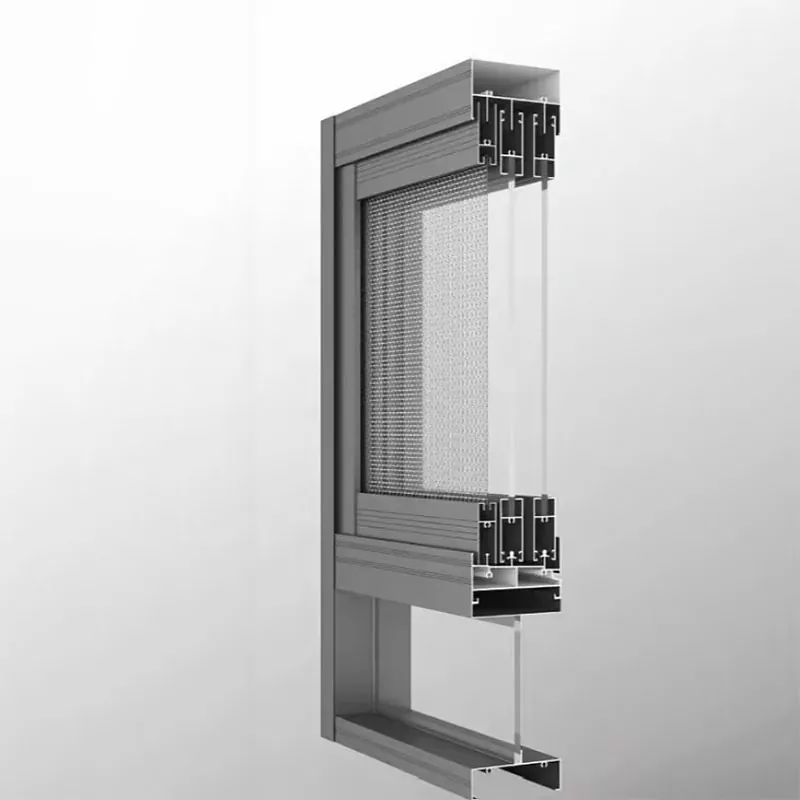
Table of Contents
- 1. Introduction
- 2. What Are Sliding Door And Window Profiles?
- 3. Materials Used in Profiles
- 4. Manufacturing Process
- 5. Key Benefits
- 6. Performance Comparison Table
- 7. Design Considerations
- 8. Installation Overview
- 9. Common Problems and Solutions
- 10. Maintenance Guidelines
- 11. Industry Applications
- 12. Why Choose Tianjin Xinyi Aluminum Co., Ltd.
- 13. Frequently Asked Questions
- 14. Conclusion
1. Introduction
Sliding doors and windows have become essential in contemporary construction due to their space-saving functionality and sleek aesthetics. At the core of these systems are sliding door and window profiles, which serve as the structural framework that ensures smooth operation, stability, and long-term durability.
As architectural trends shift toward minimalism, energy efficiency, and large glass surfaces, the demand for high-performance profile systems continues to rise across global markets.
2. What Are Sliding Door And Window Profiles?
Sliding door and window profiles are engineered structural components—typically made from aluminum or aluminum alloys—that form the frame and sliding tracks of doors and windows. They support glass panels, enable smooth horizontal movement, and provide sealing against air, water, and noise infiltration.
Key functions include:
- Structural reinforcement for glass panels
- Sliding track guidance and smooth motion
- Weather resistance and insulation support
- Aesthetic framing for modern architectural designs
3. Materials Used in Profiles
The performance of sliding systems largely depends on material selection. The most commonly used materials include:
- Aluminum Alloy: Lightweight, corrosion-resistant, and strong
- Thermal Break Aluminum: Enhanced insulation with polyamide strips
- Stainless Steel Components: Used in rollers and reinforcement areas
- PVC (limited use): Budget-friendly but less durable in high-end systems
Aluminum remains the industry standard due to its excellent strength-to-weight ratio and adaptability in extrusion processes.
4. Manufacturing Process
The production of sliding door and window profiles involves precision engineering and strict quality control.
- Aluminum billet heating
- Extrusion through custom dies
- Cooling and straightening
- Cutting to standard lengths
- Surface treatment (anodizing, powder coating, or electrophoresis)
- Quality inspection and packaging
Each stage ensures dimensional accuracy, surface quality, and mechanical strength suitable for architectural use.
5. Key Benefits
High-quality sliding door and window profiles offer several advantages:
- Space-saving sliding functionality
- Improved natural lighting through large glass panels
- Enhanced thermal and acoustic insulation
- Corrosion resistance and long service life
- Modern architectural aesthetics
6. Performance Comparison Table
| Feature | Aluminum Profiles | PVC Profiles | Steel Profiles |
|---|---|---|---|
| Durability | High | Medium | Very High |
| Weight | Light | Light | Heavy |
| Corrosion Resistance | Excellent | Good | Low |
| Design Flexibility | High | Medium | Low |
7. Design Considerations
When selecting sliding door and window profiles, several factors must be considered:
- Load-bearing capacity of frames
- Glass thickness compatibility
- Climate and environmental exposure
- Thermal insulation requirements
- Architectural style consistency
Proper design ensures long-term efficiency and reduces maintenance costs.
8. Installation Overview
Correct installation is essential for optimal performance. A typical installation process includes:
- Frame alignment and leveling
- Track system installation
- Glass panel insertion
- Sealing and insulation application
- Operational testing
Improper installation may lead to air leakage, sliding resistance, or structural deformation over time.
9. Common Problems and Solutions
- Sliding resistance: Caused by dust buildup—clean tracks regularly
- Air leakage: Replace worn sealing strips
- Noise during operation: Lubricate rollers and adjust alignment
- Water leakage: Inspect drainage channels and seals
10. Maintenance Guidelines
Routine maintenance ensures longevity and smooth operation:
- Clean tracks every 2–3 months
- Lubricate moving parts periodically
- Inspect sealing systems annually
- Avoid excessive force during operation
11. Industry Applications
Sliding door and window profiles are widely used across multiple sectors:
- Residential apartments and villas
- Commercial office buildings
- Hotels and resorts
- Industrial facilities
- Public infrastructure projects
Their adaptability makes them a preferred choice for architects and builders worldwide.
12. Why Choose Tianjin Xinyi Aluminum Co., Ltd.
Tianjin Xinyi Aluminum Co., Ltd. is a specialized manufacturer of high-quality aluminum extrusion products, including advanced sliding door and window profiles. The company focuses on precision engineering, strict quality control, and customized solutions tailored to global construction demands.
With advanced production lines and extensive industry experience, the company ensures consistent product performance, superior surface finishing, and reliable structural integrity for various architectural applications.
13. Frequently Asked Questions
Q1: What materials are best for sliding door profiles?
Aluminum alloys are the most widely recommended due to their strength, durability, and corrosion resistance.
Q2: How long do sliding window profiles last?
High-quality aluminum profiles can last over 20 years with proper maintenance.
Q3: Are thermal break profiles worth it?
Yes, they significantly improve insulation and reduce energy consumption.
Q4: Can sliding profiles be customized?
Yes, most manufacturers including Tianjin Xinyi Aluminum Co., Ltd. offer customized extrusion solutions.
14. Conclusion
Sliding door and window profiles play a foundational role in modern building systems. Their structural performance, energy efficiency, and aesthetic flexibility make them indispensable in both residential and commercial construction.
Selecting the right profile system ensures long-term stability, improved user comfort, and reduced maintenance costs.
For premium-grade solutions and tailored engineering support, Tianjin Xinyi Aluminum Co., Ltd. provides reliable expertise and manufacturing excellence.
For product inquiries, technical consultation, or customized solutions, please contact us at Tianjin Xinyi Aluminum Co., Ltd. and discover how our sliding door and window profiles can enhance your next project.
Send Inquiry


X
We use cookies to offer you a better browsing experience, analyze site traffic and personalize content. By using this site, you agree to our use of cookies.
Privacy Policy